
240 Filmmaking Books: The Complete Reading Curriculum
Discover the best books on filmmaking, from directing and screenwriting to cinematography, editing, sound, design, VFX, and production. This source-checked curriculum organizes 240 titles into a practical reading path.
The 30 Best Filmmaking Books to Read First
Hover or tap a spine to preview each must-read book.
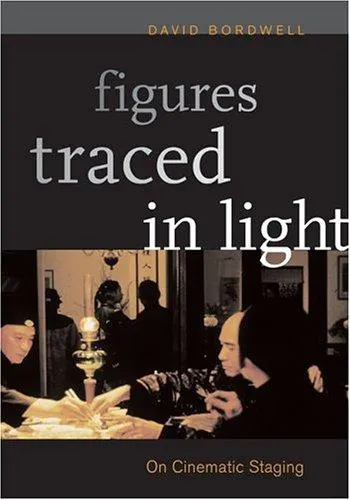
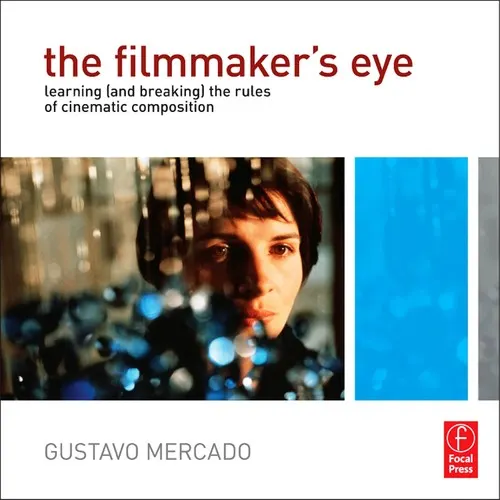
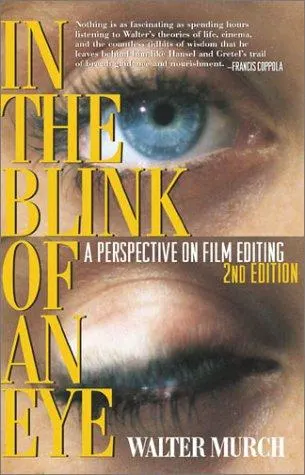
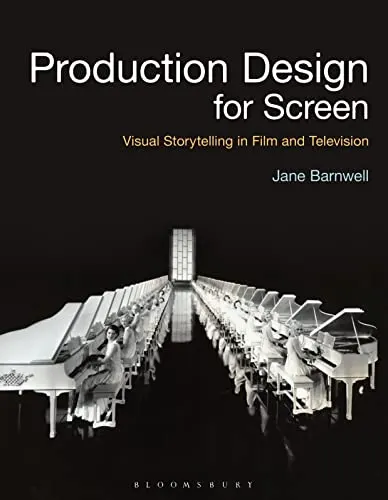
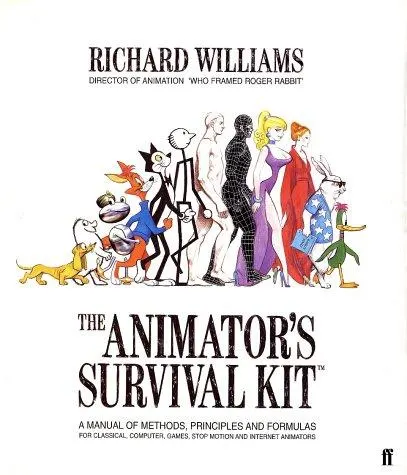
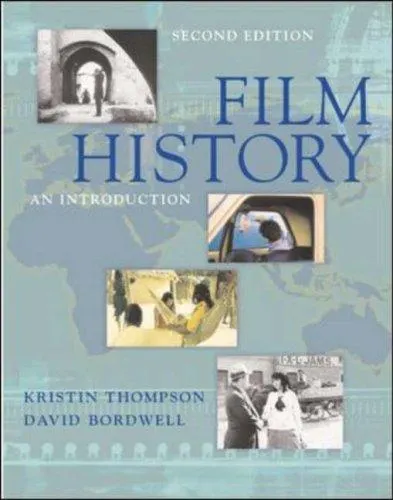
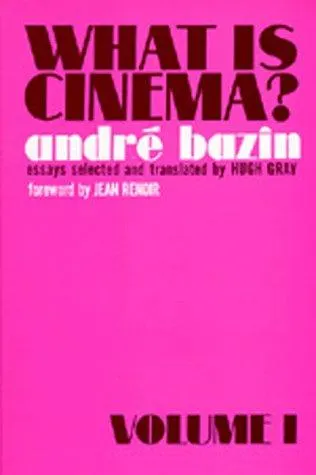
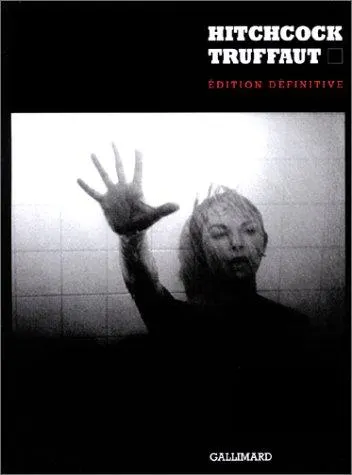
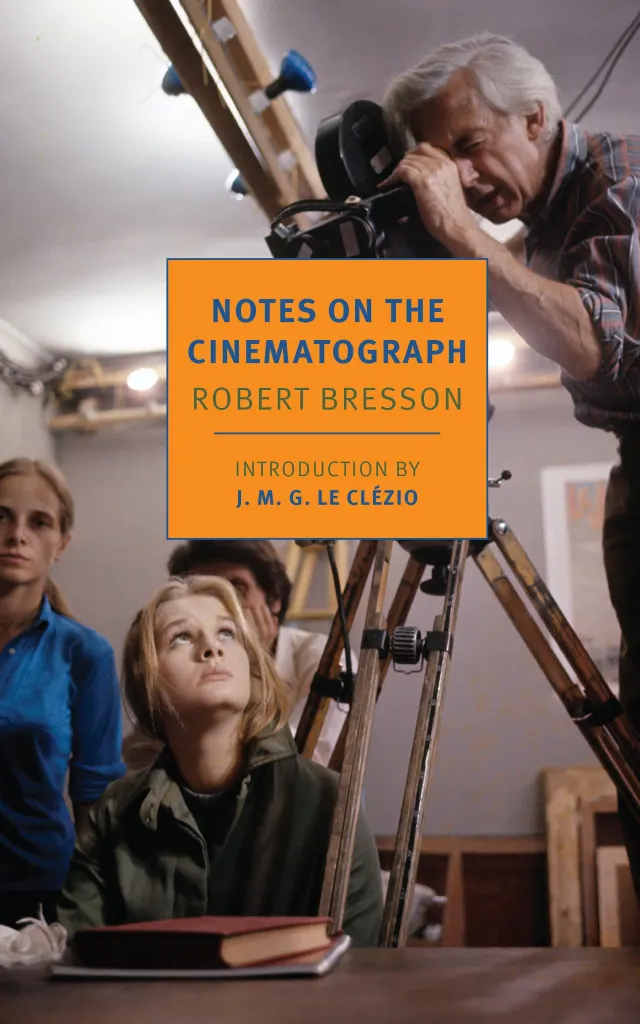
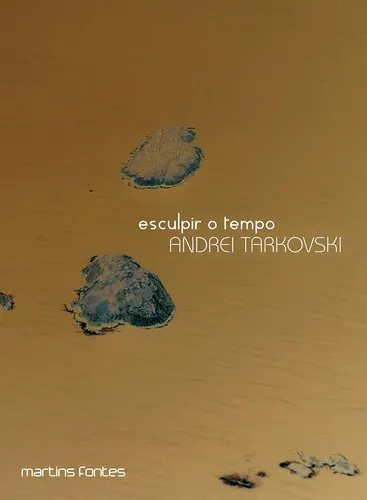
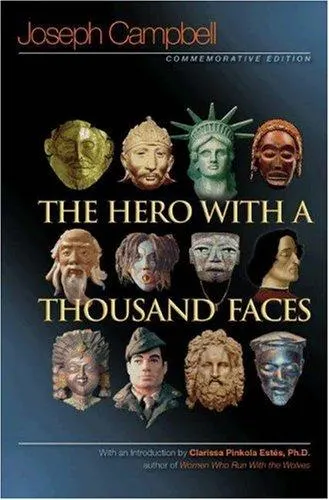
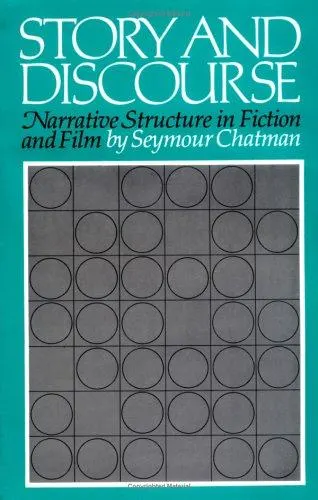
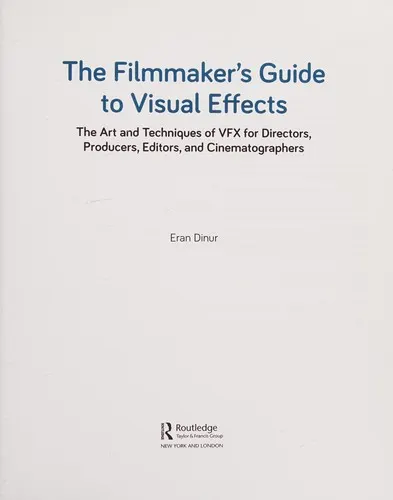
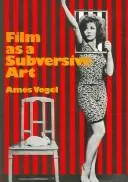
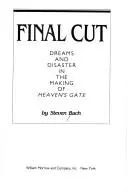
How to use this filmmaking books curriculum
One book must become one filmmaking decision.
Read Campbell to recognize a recurring mythic architecture, not to force every screenplay through one template. Use formula books as diagnostic systems, not universal generators. Use shot manuals to expand vocabulary, not to replace dramatic thinking.
Ratings are shown with their source and rating count. Missing data stays missing. Cover metadata can describe a different edition, so edition-level identifiers remain visible in the source links instead of being silently guessed.
Affiliate disclosure: As an Amazon Associate I earn from qualifying purchases. This does not change the price you pay. Edition, price, and availability can change on Amazon.
The Complete Filmmaking Books Library
240 books shown
1. Visual literacy, art, photography and comics
Train perception before camera operation. This visual literacy shelf develops composition, color, sequence, abstraction, space, photographic seeing, and the active role of the viewer so a director can explain why an image works before choosing a lens or shot.
2. Directing and mise-en-scène
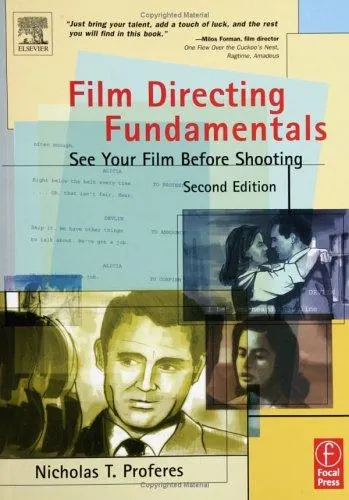
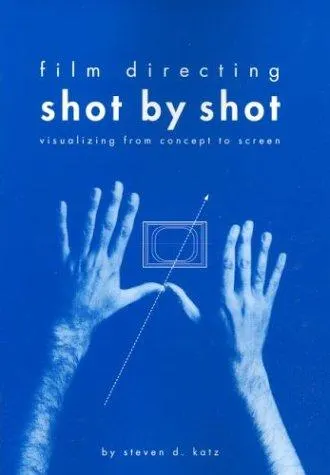
Study directing and mise-en-scène as the organization of behavior in time and space. Connect dramatic pressure, staging, movement, camera position, rehearsal, and duration instead of selecting shots from a recipe.
3. Story, screenwriting and dramaturgy
Use screenwriting and dramaturgy as diagnostic systems for cause, choice, conflict, sequence, and change. The aim is to see what a scene is doing, where a story loses pressure, and how structure can reveal consequential decisions without forcing every film into the same beat sheet.
4. Myth, archetype and story psychology
Compare myth, folktale, archetype, and story psychology without treating any one model as universal. This shelf places Campbell beside Propp, Vogler, Murdock, and psychological perspectives so recurring patterns become lenses for analysis rather than formulas for imitation.
5. Narration, film language and point of view
Study narration as the control of information, attention, inference, time, and point of view. These film-language books help a director decide who knows what, when the audience learns it, what remains outside the frame, and how style shapes interpretation.
6. Directing actors, acting, rehearsal and casting
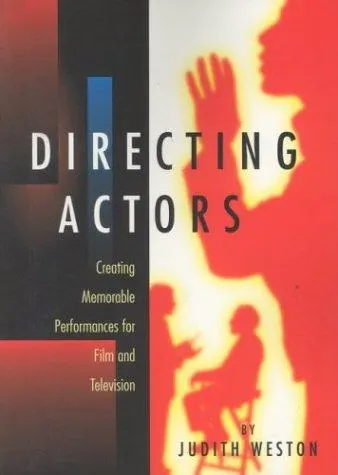
Build a practical language for directing actors, casting, rehearsal, and performance. Focus on circumstances, objectives, obstacles, relationships, playable actions, listening, and adjustments so direction changes behavior instead of demanding an emotion as a result.
7. Cinematography, lenses, camera and composition
Learn the cinematography a director needs to communicate visual intention precisely. Optics, lenses, composition, camera movement, exposure, and image science become dramatic choices, making it easier to challenge technically convenient images that weaken the scene.
8. Lighting, exposure, color and grading
Treat lighting and color as story structure rather than equipment selection. Study direction, quality, contrast, exposure, color separation, motivated sources, and grading so the image can guide attention, reveal space, and change emotional pressure.
9. Storyboarding, visual development and animation
Treat every frame as constructed before production begins. Storyboarding, visual development, animation, and sequential art sharpen performance, timing, environment, continuity, and camera choices for live action, animation, and generated cinema.
10. Editing, montage and rhythm
Learn to edit before you shoot by understanding rhythm, point of attention, collision, continuity, and the emotional value of a cut. This shelf helps directors plan the coverage a scene needs and recognize when an edit can replace explanation.
11. Sound design, dialogue and music
Use sound to create scale, off-screen space, subjectivity, continuity, tension, and point of view. Sound design, dialogue, music, and silence are treated as directing materials that can reshape a scene before the image changes.
12. Production design, architecture, costume and props
Let production design carry story information through space, material, architecture, costume, color, props, and objects. These books help directors collaborate with designers early enough for the physical world to influence blocking, framing, performance, and production decisions.
13. Documentary, nonfiction and image ethics
Practice observation, nonfiction structure, and ethical framing. Documentary filmmaking makes the consequences of selection, omission, access, staging, authorship, and representation impossible to ignore, giving fiction directors a sharper understanding of what every frame excludes.
14. Visual effects, compositing, virtual production and AI-adjacent craft
Learn to supervise constructed reality across practical effects, compositing, virtual production, rendering, and visual-effects planning. The goal is not software mastery, but enough VFX literacy to design achievable shots, preserve performance, and make decisions before expensive work begins.
15. Producing, logistics, law and business
Treat producing as part of directing because every schedule, budget, contract, location, and crew decision changes the film. Production literacy protects time, goodwill, optionality, safety, and creative control when resources and information are limited.
16. Film history, theory, criticism and aesthetics
Use film history, theory, criticism, and aesthetics to understand where conventions came from and what assumptions they carry. A director can break a rule with more meaning after seeing how technologies, industries, movements, and critics shaped the language of cinema.
17. Directors and filmmakers explaining their own work
Compare directors explaining their own working methods, doubts, rehearsals, visual systems, and collaborations. Interviews, conversations, and autobiographies reveal radically different processes and show why no single directing method fits every filmmaker or production.
18. Making-of books, production case studies, success and failure
Study the distance between the film imagined, financed, shot, edited, and released. Making-of books and production case studies expose creative breakthroughs alongside failures of planning, communication, governance, and escalating commitment.
19. Genre, comedy, horror, noir, melodrama and action
Treat genre as an audience contract about emotion, expectation, escalation, exaggeration, and resolution. These books examine comedy, horror, noir, melodrama, action, and other forms as dramatic systems rather than collections of surface conventions.
20. Creative practice, literature and human behavior
Strengthen observation, characterization, artistic process, discipline, and tolerance for uncertainty through literature, psychology, and creative practice. Use these companion texts to support film craft, not to replace the concrete work of writing, rehearsing, shooting, and editing.
A three-year progression
Do not read all 240 books linearly. Build grammar first, then control, then a worldview. Specialist books should compound around actual films and recurring production problems.
Year 1: Learn the grammar
- Film form
- Visual composition
- Dramaturgy
- Actor direction
- Basic cinematography
- Editing
- Sound
Read about 25 Core books and direct short scene exercises continuously.
Year 2: Develop control
- Staging in depth
- Point of view
- Lens and camera relationships
- Production design
- Rehearsal
- Narrative information
- Rhythmic editing
- Sound-image construction
Read another 20 to 25 Core books and add specialist books for active projects.
Year 3: Develop a worldview
- Film history
- Theory
- Documentary
- Representation
- Genre
- Experimental cinema
- VFX and generated filmmaking
- Production economics
Complete the remaining Core shelf and use Advanced books selectively.
Read beyond the shelf
The essential companion texts
Track the essays and screenplays that sharpen how you read films. Each completed text is saved locally in this browser.
Theory · 20 texts
Mandatory essay packet
Several of cinema’s most important arguments are essays, not books. Read them beside the films and debates they changed.
0/20
- 01
- 02
- 03
- 04
- 05
- 06
- 07
- 08
- 09
- 10
- 11
- 12
- 13
- 14
- 15
- 16
- 17
- 18
- 19
- 20
Screenplays · 40 texts
Screenplay-reading canon
Read each screenplay beside the finished film. Record what changed in casting, blocking, dialogue, order, coverage, rhythm, and sound.
0/40
Turn reading into craftBuild your film in Melies
Reading without production creates spectators.
Convert each idea into blocking, a storyboard, an edit, a rehearsal, or a sound decision. One applied book is worth more than ten consumed passively.
0/15
- 01
- 02
- 03
- 04
- 05
- 06
- 07
- 08
- 09
- 10
- 11
- 12
- 13
- 14
- 15
How this filmmaking books curriculum was researched
This is an independent Melies editorial curriculum, not an official La Fémis, AFI, or NFTS bibliography. The reading order combines foundational directing craft with specialist shelves for story, performance, staging, cinematography, editing, sound, design, production, history, and creative practice.
Book summaries and techniques are limited to claims supported by the cited book, publisher, library record, author material, or a trusted review. Ratings come from the source named beside each title and can change. A low rating count is not treated as strong evidence. Cover images and identifiers can refer to a different edition, so the linked source record remains the final edition check.
As an Amazon Associate I earn from qualifying purchases. Affiliate links do not change the selection, order, rating, summary, or commentary. Amazon is a purchase destination, not a research source.
Curated by the Melies editorial team. First published 18 August 2026. Last substantive review 19 August 2026.