Melies vs Higgsfield: which AI film tool fits your workflow?
Higgsfield is an AI video and image platform known for cinematic effects, camera movement trends, community showcases, and newer canvas workflows. It is one of the most important direct comparison targets for Melies.
Melies is strongest when you want one AI filmmaking workspace for multiple asset types and models. Higgsfield can still be the right choice when its core workflow matches the exact way you create. The right decision depends less on a feature count and more on where your bottleneck is: script development, visual iteration, video generation, editing, brand consistency, or final delivery.
What Higgsfield does well
Strong brand association with camera movement presets and cinematic AI effects
Community gallery that helps users discover trending creative ideas
Marketing studio and canvas positioning for brands and teams
Fast-moving product around premium AI video models
What to verify first
Can skew toward effects and trends rather than full film production
Credit math and model availability change quickly by plan
Less obvious as a home for posters, storyboards, thumbnails, voice, music, and long-film utilities
High demand can create a crowded product surface for new users
Where Melies may fit better
More complete film pipeline from idea to assets, actors, video, poster, voice, music, and export
Direct model comparison content for choosing the right generator before spending credits
Strong fit for creators who want tools, not only effects and galleries
Credit balance works across many film-specific utilities
Feature comparison
Higgsfield vs Melies, feature by feature
Compare the same creative job in both products. The useful question is not who has more buttons, but where each tool gives you control, continuity, and fewer handoffs.
Feature
Higgsfield
Melies
Primary angle
Cinematic effects and community video generation
Full AI filmmaking tool suite
Camera movement
Major strength
Dedicated camera movement tool plus video models
Story workflow
Canvas and generation focused
Ideas, scenes, actors, posters, video, voice, music
Model comparison
Product driven
SEO and product model guides
Best use case
Viral and cinematic clips
Repeatable AI film production
Why Melies wins
Where Melies goes beyond Higgsfield
Character continuity
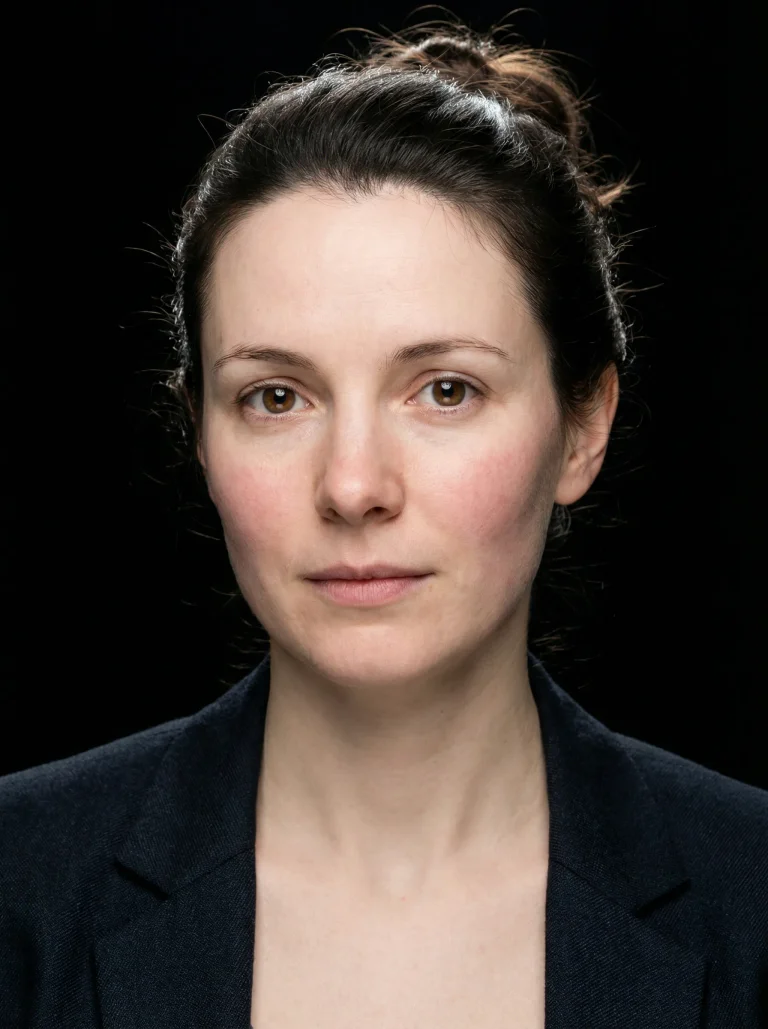
Consistent characters across every shot
Upload reference photos or use built-in AI actors so the same face and identity carry across scenes, angles, expressions, and generated clips.
Upload actor references once and reuse them across scenes
Keep identity consistent through new angles, moods, and expressions
Build repeatable story assets instead of one-off generations
Compared with Higgsfield
Higgsfield can be a strong generator, but Melies is stronger when the project depends on recurring actors and repeatable story assets, not just one-off outputs.
Shot direction
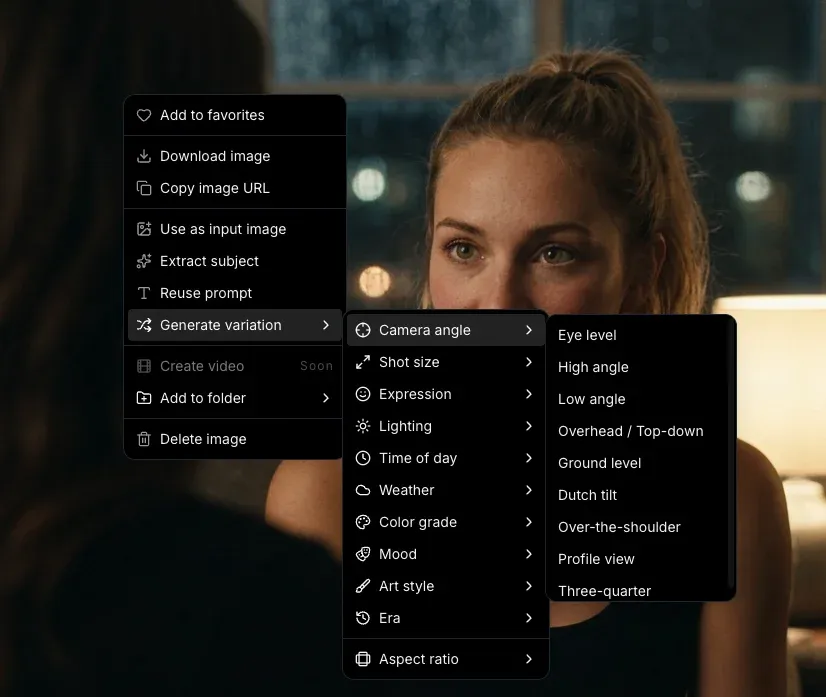
Direct camera angles and shot language before generation
Choose the camera angle, shot size, lighting, mood, and style before spending credits so each generation starts closer to the scene you need.
Use built-in camera angle presets for cinematic framing
Control shot language before comparing image and video models
Keep visual direction consistent across frames, posters, and clips
Compared with Higgsfield
Instead of relying on Higgsfield to infer every creative choice from one prompt, Melies gives filmmakers explicit visual controls before they generate.
Visual system
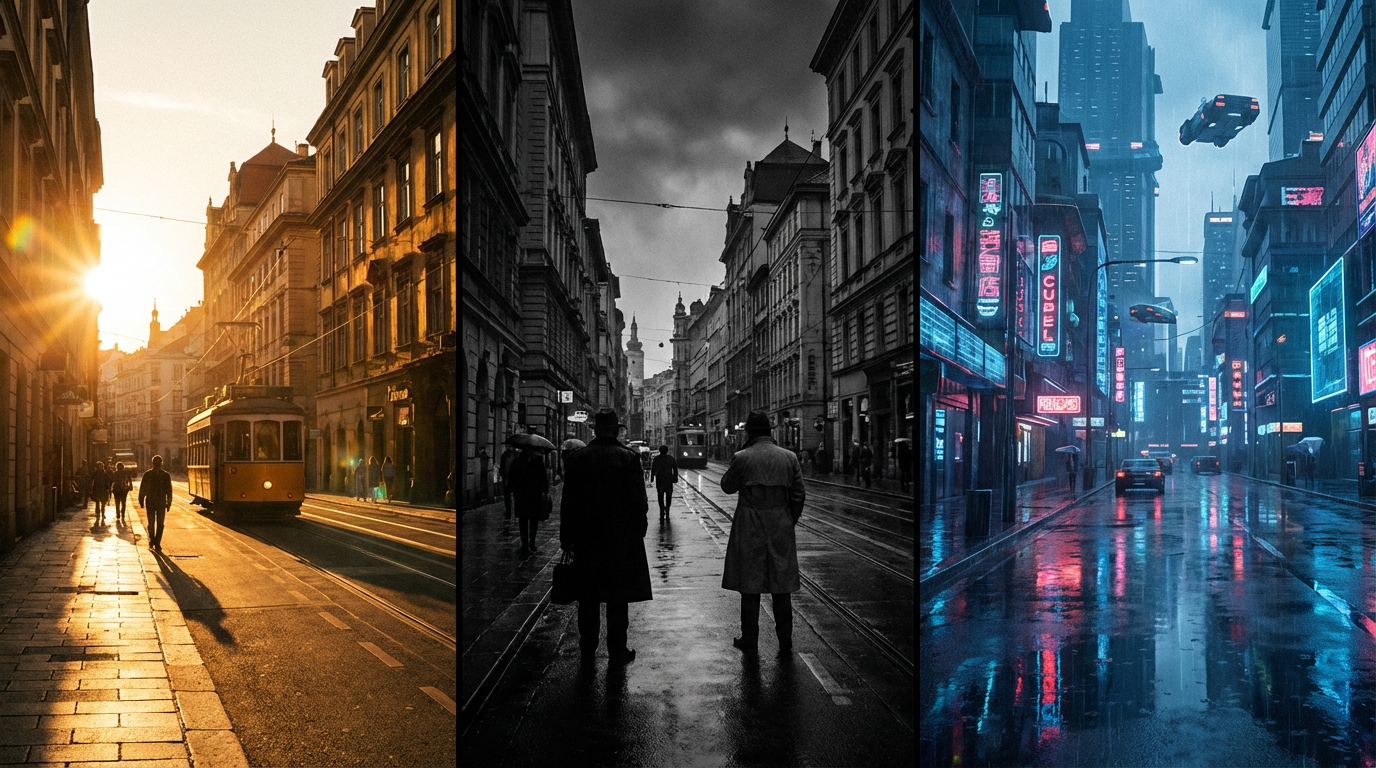
Carry the same look into scenes, posters, thumbnails, and promos
A film rarely stops at the first clip. Melies helps you keep one visual direction across generated scenes, release assets, style tests, voice, music, and final quality passes.
Choose cinematic styles and reuse the same direction across assets
Generate scenes, posters, thumbnails, and campaign visuals from one workspace
Finish with voice, music, upscaling, and creator-ready delivery assets
Compared with Higgsfield
Higgsfield may handle its core task well. Melies is stronger when the same project needs a repeatable look across the whole film package, not just one generated asset.
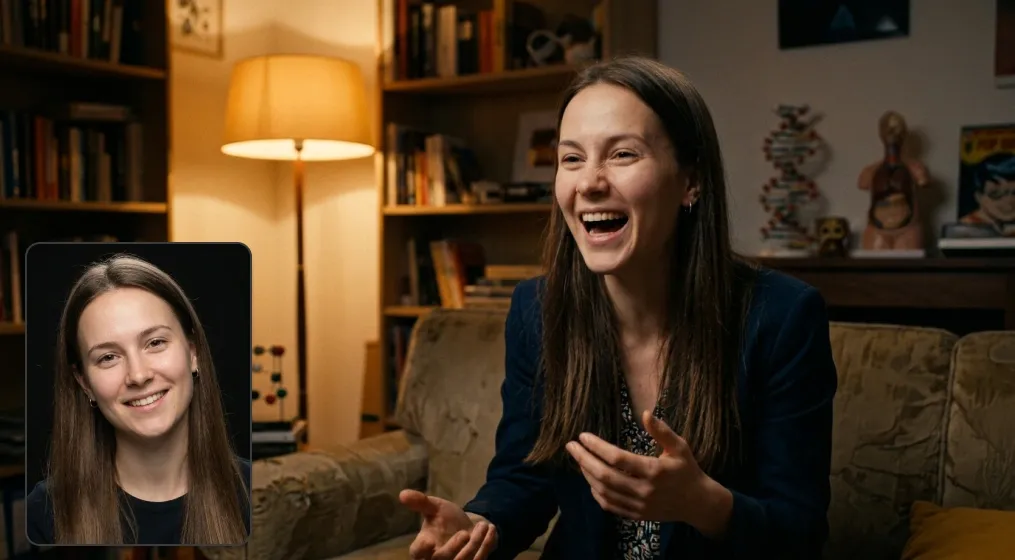
Perfect character consistency across scenes
Upload reference photos and your characters stay consistent across every scene - same face, same identity, different expressions and angles.
Melies vs Higgsfield
Try the Higgsfield alternative built for full AI film production
Start from one real brief in Melies and build the surrounding film assets in the same workspace: scenes, actors, video, posters, voice, music, and delivery-ready visuals.
You want a broader AI film stack with images, videos, actors, posters, storyboards, voice, music, and upscaling.
You need to compare models and costs before spending credits.
You are making repeatable projects, characters, thumbnails, trailers, shorts, or YouTube assets.
Workflow fit
Where each tool fits in an AI film workflow
Use this as a production-path check: idea, visual development, generation, and delivery. The stronger tool is the one that removes the most handoffs for your exact project.
Workflow stage
Higgsfield
Melies
Decision signal
01
Brief to concept
Can the tool turn a loose idea into production-ready direction?
Use Higgsfield when its main workflow already matches the exact output you need.
Use Melies when the brief needs scripts, scenes, characters, references, and visual assets in one place.
Choose the tool that reduces planning handoffs before generation starts.
02
Look development
How much can you decide before spending credits on final shots?
Higgsfield is useful when you want to explore its specific visual style or effect quickly.
Melies is stronger when you need reusable actors, posters, thumbnails, style tests, and reference images around the same film.
Look for reusable references, not just one good-looking output.
03
Shot generation
Can you compare outputs without rebuilding the project elsewhere?
Pick Higgsfield when its generator gives the exact shot language your project depends on.
Pick Melies when you want several image and video models available inside the same production workflow.
Compare how many retries and model switches it takes to reach a usable shot.
04
Final delivery
What still needs another tool after the first generation?
Higgsfield can be enough for a focused asset or short standalone generation.
Melies fits better when you also need voice, music, upscaling, reusable assets, and continuity across revisions.
Count the remaining exports, subscriptions, and final delivery steps.
Pricing and value
Compare what the subscription has to replace
Pricing changes. Value is easier to judge: what assets are covered, where credits apply, and how many separate tools you still need after paying.
Cost area
Higgsfield
Melies
Buying check
Scope
What one subscription covers
Higgsfield can be worth it when its focused workflow is the main thing you need.
One workspace covers image, video, actors, posters, storyboards, thumbnails, voice, music, and upscaling.
List every asset you need before comparing plan prices.
Usage
Where limits show up
Check caps on generations, exports, model access, commercial usage, and output quality.
Compare credits against the full project, not just a single video or image generation step.
Estimate revisions, retries, exports, and final resolution.
Stack
Extra tools still needed
A focused tool may still require separate apps for scripts, assets, audio, thumbnails, or upscaling.
Lower switching cost when the same project needs several film assets before final delivery.
Count subscriptions, tabs, and handoffs after the first generation.
Expected generations, exports, and revisions are clear
All required assets fit in the same workflow
Final quality and formats match your delivery needs
Choose Higgsfield if...
You mainly want trending AI video effects and camera movements.
You like browsing community examples before generating.
Your workflow is short-form clip creation more than full film production.
In short, Higgsfield is worth testing when its core workflow maps directly to the way you already plan, generate, edit, and deliver video.
Choose Melies if...
You want a broader AI film stack with images, videos, actors, posters, storyboards, voice, music, and upscaling.
You need to compare models and costs before spending credits.
You are making repeatable projects, characters, thumbnails, trailers, shorts, or YouTube assets.
In short, Melies is a stronger fit when the project spans more than one asset type and you want to keep model choice, credits, and creative iteration in the same place.
Hands-on evaluation
How to test Higgsfield against Melies before switching
A useful comparison page can narrow the decision, but the best answer comes from a small production test. Pick one real brief, keep the inputs identical, and judge both tools on the final asset quality and the number of steps needed to get there.
Run the same creative brief
Use the same script, prompt, target aspect ratio, character references, and delivery format in Higgsfield and Melies. This avoids comparing a polished demo in one product with a different task in the other. For AI film work, consistency across shots and assets matters more than a single attractive generation.
Measure the hidden work
Count how many retries, exports, tabs, tools, and subscriptions you need before the asset is ready. A product can look faster on the first generation but become slower when you add character continuity, audio, thumbnails, poster art, upscaling, or alternate formats.
Check the final delivery path
Look beyond creation and review the final file quality, watermark rules, commercial usage terms, export formats, team workflow, and how easy it is to reuse assets in the next project. That is often where a focused Higgsfield workflow and a broader Melies workspace feel most different.
Frequently asked questions
These answers focus on practical buying questions for creators comparing Higgsfield with Melies.
Melies is a strong Higgsfield alternative for creators who want a full AI filmmaking suite rather than a video effects and community generation platform only.
Higgsfield is widely known for camera movement and cinematic effect workflows. Melies also has a dedicated AI camera movement page, but its broader advantage is the full production stack around those shots.
Melies can replace Higgsfield for many AI video workflows, especially if you also need images, actors, posters, storyboards, voice, music, thumbnails, upscaling, and model comparison in one place.
Related comparisons
Other AI film tools to compare
If Higgsfield is close but not quite right, compare Melies with adjacent AI video, image, avatar, editor, and story tools.