
Kling, Pika, and Luma cover the middle and upper-middle tier of AI video in 2026. None of them quite match Veo 3.1 or Runway Gen-4 at the top, but each has a real strength. Picking one for everything is the wrong move. Picking the right one per shot is how the better filmmakers work today.
Kling vs Pika vs Luma at a glance
| Feature | Kling v3 Pro | Pika | Luma Dream Machine |
|---|---|---|---|
| Max clip duration | Up to 15 seconds | 4 to 8 seconds | 5 to 10 seconds |
| Resolution | HD to 1080p | 720p to 1080p | 1080p |
| Multi-shot support | Yes | Limited | Limited |
| Voice or audio | Voice ID feature | No native audio | No native audio |
| Iteration speed | Medium | Fast | Fast |
| Pricing entry | Credit-based on bundled platforms | Around $10 to $35/mo plans | Plus $30/mo |
| Best for | Long cinematic clips, multi-shot | Stylized social, effects | Iteration, brand campaigns |
Kling v3 Pro: long clips and multi-shot
Kling v3 Pro is the leader on clip duration. Up to 15 seconds per generation at HD, with stable character consistency. Kling O3 Standard at lower credit cost also supports 15-second clips. This is unmatched outside Kling.
Voice ID and multi-shot. Kling's voice ID feature ties a character voice to a face across shots. Combined with multi-shot support, this makes Kling the strongest single-model choice for narrative work that needs continuity.
Where Kling falls short. Slower iteration than Pika or Luma. Per-clip cost is medium to high. Top-end fidelity sits below Veo 3.1.
Use Kling for: narrative scenes longer than 8 seconds, multi-shot sequences with consistent characters, dialogue scenes where voice ID matters.
Pika: speed and stylized social
Pika is the fastest of the three. Render times often beat both Kling and Luma. For social workflows where you iterate 20 times on the same idea, this matters more than top-end quality.
Effect templates and stylization. Pika ships one-click effect templates (zoom in, character transformation, viral-style motion). The platform is built around social-first creators.
Where Pika falls short. Cinematic quality ceiling is the lowest of the three. Long clips and complex multi-character scenes break. Resolution caps lower than Luma and Kling at most tiers.
Use Pika for: TikTok content, meme video, stylized clips, fast iteration on short ideas.
Luma Dream Machine: iteration plus character consistency
Luma sits between Kling and Pika. Faster than Kling, more cinematic than Pika. Character consistency from reference images is the strongest in this trio.
Luma Agents. The Agents framework runs multi-step creative workflows (brand identity, slide decks, storyboards) that the other two do not match. This is why Publicis, Mazda, Dentsu use Luma for campaign work.
Where Luma falls short. Clip duration caps below Kling. No native audio. Top-end fidelity below Veo 3.1.
Use Luma for: brand campaigns, on-model product photography, storyboard sequences with consistent characters, fast cinematic iteration.
Side-by-side per use case
A 12-second narrative scene with two characters: Kling v3 Pro. Pika and Luma cannot hold the duration.
A viral TikTok concept tested across 20 variants: Pika. Speed wins.
A brand campaign storyboard with 6 cohesive scenes: Luma. Agents framework and character consistency.
A 5-second stylized anime transformation: Pika or a dedicated anime model.
A cinematic hero shot with photorealistic humans: None of these. Use Veo 3.1 or Runway Gen-4 and compose with Kling, Pika, or Luma for the surrounding shots.
A music video with stylized cuts: Pika for the cuts, Luma for character continuity, Veo for the lip-synced dialogue close-up.
Pricing reality
Direct subscriptions:
- Pika: roughly $10 to $35/mo across consumer tiers
- Luma Plus: $30/mo (Pro $90, Ultra $300)
- Kling: credit-based, accessed through bundled platforms or direct
The honest math: if you only need one model, Pika is the cheapest entry. Luma Plus is the same price as Runway Standard and gives you a different feel. Kling is best accessed through bundled platforms because of the credit model.
For the breakdown of all leading models including the Veo and Runway top tier, see Kling vs Veo vs Hailuo Kling vs Veo vs Hailuo: Best AI Video Model ComparisonCompare Kling v3, Veo 3.1, Hailuo 02, WAN v2.2, Seedance, and LTX 2 Pro AI video models. Quality, speed, credits, duration, and features compared for 2026..
How the pros actually pick
The filmmakers shipping the best AI video in 2026 are not using one model. They pick per shot:
- Storyboard previz in a fast, cheap model
- Iterate on the look in Luma or Pika
- Lock the hero shot in Veo 3.1 or Runway Gen-4
- Use Kling for the long takes and multi-shot dialogue sequences
- Glue everything together with consistent characters via reference images
This is impossible if you only subscribe to one. It is easy on a multi-model platform.
Melies includes Kling, Luma, PixVerse, Veo 3.1, Seedance 2.5, and other video models under one credit system. Same project, same credit pool, switch models per shot. Seedance 2.5 adds 4 to 30-second generation, image references, and synchronized audio; review its current pricing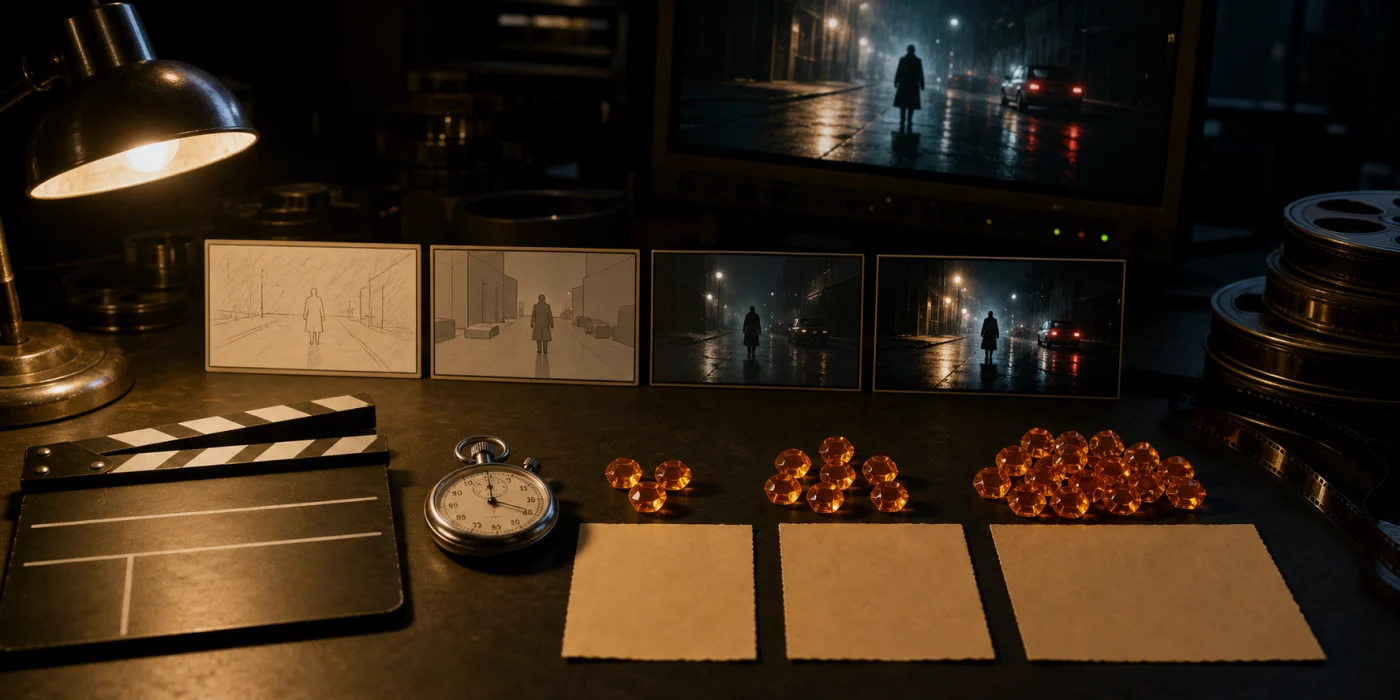 Seedance 2.5 Pricing: Credits, Cost per Second and PlansSee Seedance 2.5 pricing per second in Melies, fal.ai API costs, BytePlus billing, plan capacity, and practical ways to reduce AI video costs in 2026. before using it for long shots.
Which one should you pick?
If you can only pick one: Luma Plus at $30/mo. It is the most balanced of the three and the most useful as a single tool.
If you need long clips and multi-shot: Kling v3 Pro through a bundled platform.
If you do social-first short clips with speed and style: Pika.
If you do all three workflows: stop picking one. Use a multi-model platform.
FAQ
Is Kling AI from China safe to use? Kuaishou (Kling's parent company) is a public company. For consumer creative use it is widely adopted globally. For sensitive corporate work, check your data policies.
Can I use Pika commercially? Yes, on paid plans. Free tier has restrictions.
Does Luma have a free trial? Luma offers limited free access but no permanent free tier. Plus at $30/mo is the entry point.
Where can I try all three side by side? Melies bundles Kling, Luma, Pika-style models, plus Runway Gen-4 and Veo 3.1 under one subscription.
Which is best for ad creative in 2026? Luma for campaign cohesion, Veo 3.1 for hero shots, Runway Gen-4 for the editing workflow. See Runway pricingRunway Pricing 2026: Plans, Credits and Real CostsRunway pricing starts free, with paid plans from $15 monthly. Compare plan credits, API costs, and the Enterprise unified credit rules. and Veo vs RunwayVeo 3.1 vs Runway Gen-4: Which AI Video Model Wins?Veo 3.1 by Google vs Runway Gen-4 in 2026. Full comparison of quality, audio, duration, resolution, pricing, and which AI video model fits your project. for direct comparisons.