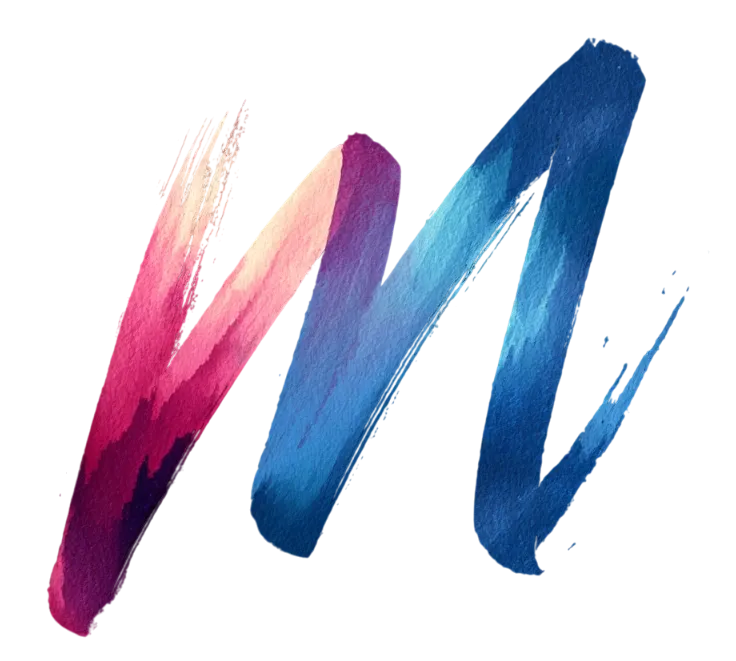
Split Toning
Split toning in split toning cinematography assigns one hue to highlights and another to shadows, so the tone curve becomes a two-color world. Any pair is legal; teal-and-orange is only one famous instance.
Narrative function
Shadows and lights belong to different gods. Gold over teal, magenta over green, steel over amber: the split is a law for the whole image, not a pair of gels in the room.
Drive's night can feel like candy highlights over cool dark. A future city can put warm sun on one side of the curve and cyan smog on the other.
It is the wrong tool when the split should come from real lamps (a 3200K room and a cold window). That is Tungsten Balance or mixed Practical Lighting, including Neon Practicals.
It is the wrong tool if you only wanted overall steel or overall honey. And it is not bleach-bypass, which is density, not a two-hue curve.
How it works
In the grade, map the toe to hue A and the shoulder to hue B, with a crossover in the mids you actually like on skin. Keep the pair limited; more hues are not a stronger split.
Test faces at the crossover. Prompt: Split-toned grade on [Subject], highlights one hue, shadows another, for example gold over teal, a two-color world.
When to use it
Use it when highlights and shadows should belong to different hues as a law: a night drive, a future city. Do not use it as a substitute for mixed practicals, and do not assume the pair must be teal and orange.
Compared with similar shots
Teal and Orange is a specific complementary split that also isolates skin. Split-tone is the general method and can be gold/teal, magenta/green, or something else.
Neon Practicals is colored light in the room. Cross Process skews primaries chemically rather than splitting the curve cleanly.
Palette restricts production design hues; split-tone paints the tone curve.


In film
Drive often lets night highlights and shadows sit in different hue families. Blade Runner 2049 grades future light so sun, smog, and interior color occupy different parts of the curve.
Grammar of two-hue curves, not a still of a car.
Prompt it
Name both hues and which owns shadows. Split-toned grade on [Subject], highlights one hue, shadows another, for example gold over teal, a two-color world.
State the pair. Do not write bleach-bypass, and do not require teal-orange unless that is the pair.
What usually goes wrong
The usual wrong cousin is Teal and Orange used as the only imaginable split, or mixed lamps called split tone. The tell is peach skin plus cyan streets with no other pair allowed, or colored neon in the set with a neutral grade.
Fix: declare highlight hue and shadow hue, apply them on the curve, keep the law consistent.
Questions
What is split toning in film?
It is a grade that gives highlights one hue and shadows another. The tone curve becomes a two-color world. The pair can be any two hues, not only teal and orange.
Split Toning vs Teal and Orange
Teal-orange is one complementary split, usually with protected skin. Split toning is the general tool. Gold over teal, magenta over green, or steel over amber are also split tones.
When should I use split toning?
Use it when shadows and highlights should obey different hues as a law. Skip it when mixed practicals already tell the color story, or when you wanted a single overall wash.
How do I prompt split toning for AI image or video?
Write: Split-toned grade on [Subject], highlights one hue, shadows another, a two-color world. Name both hues. Forbid assuming teal-orange, and forbid calling set neon a split-tone grade.

Melies can generate this Split Toning
Melies is the AI filmmaking workspace. This Split Toning opens with the grade prompt loaded, so the look is in the photography instead of a LUT dumped at the end.